

A facial is a professional, non-invasive treatment designed to improve the appearance and function of your skin through a combination of cleansing, exfoliation, hydration, and targeted active ingredients.
This no-fluff guide walks you through the most effective, professional treatments and helps you figure out what’s the best type of facial to get. If you’re looking for trusted providers of professional facials Brisbane has some exceptional skin clinics to explore.
What Is a Facial?
There’s no such thing as the perfect facial — only the perfect facial for your current skin issue, age range, and goals. Regular facials can help you achieve healthier skin, boost antioxidant protection, support collagen synthesis, and maintain smoother skin over time. Most facial services follow a framework of:
- Double cleanse (especially important for makeup, SPF, and pollution)
- Physical exfoliation or chemical exfoliants (removing dead skin cells and buildup from the outermost layer)
- Steam or hydrogenated water to soften pores and aid extraction
- Deep pore cleansing to target clogged pores or congested skin
- Mask therapy using hydrating, brightening or soothing ingredients
- Facial massage for blood flow, lymphatic drainage, and relaxation
- Serum layering with peptides, hyaluronic acid, glycolic acid, or antioxidants
- Moisturiser and SPF for hydration and protection
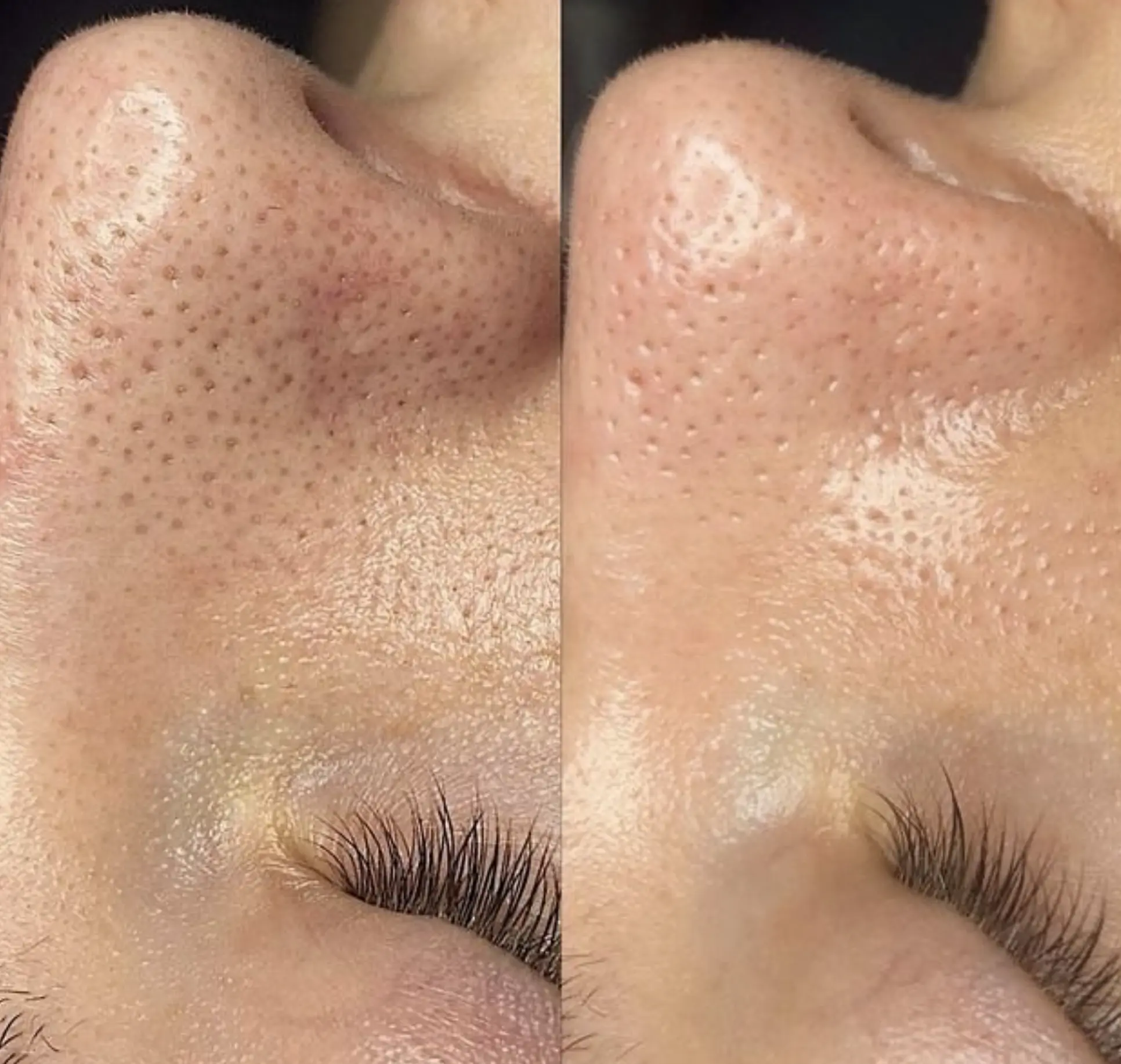
When done right, facial treatments enhance your skin’s natural renewal cycle, encourage collagen production, and restore balance to dry skin, oily skin, or combination skin types.
Know Your Skin
Before you jump into an advanced treatment, get familiar with your skin’s baseline state. Your skin type and current skin concerns will guide everything from product choice to exfoliation method.
- Dry skin: Flaky, tight, often sensitive. Lacks oil.
- Oily skin: Shiny, prone to breakouts and enlarged pores.
- Combination skin: Oily in the T-zone, dry on cheeks.
- Sensitive skin: Easily reacts to actives or friction.
- Normal skin: Balanced. Occasional issues, minimal congestion.
Your facial should be tailored to your skin’s current needs, not just its “type.” Skin changes with the seasons, hormones, stress, and product use, which is why a treatment plan and tailored schedule from a skincare expert or board-certified dermatologist can make all the difference.
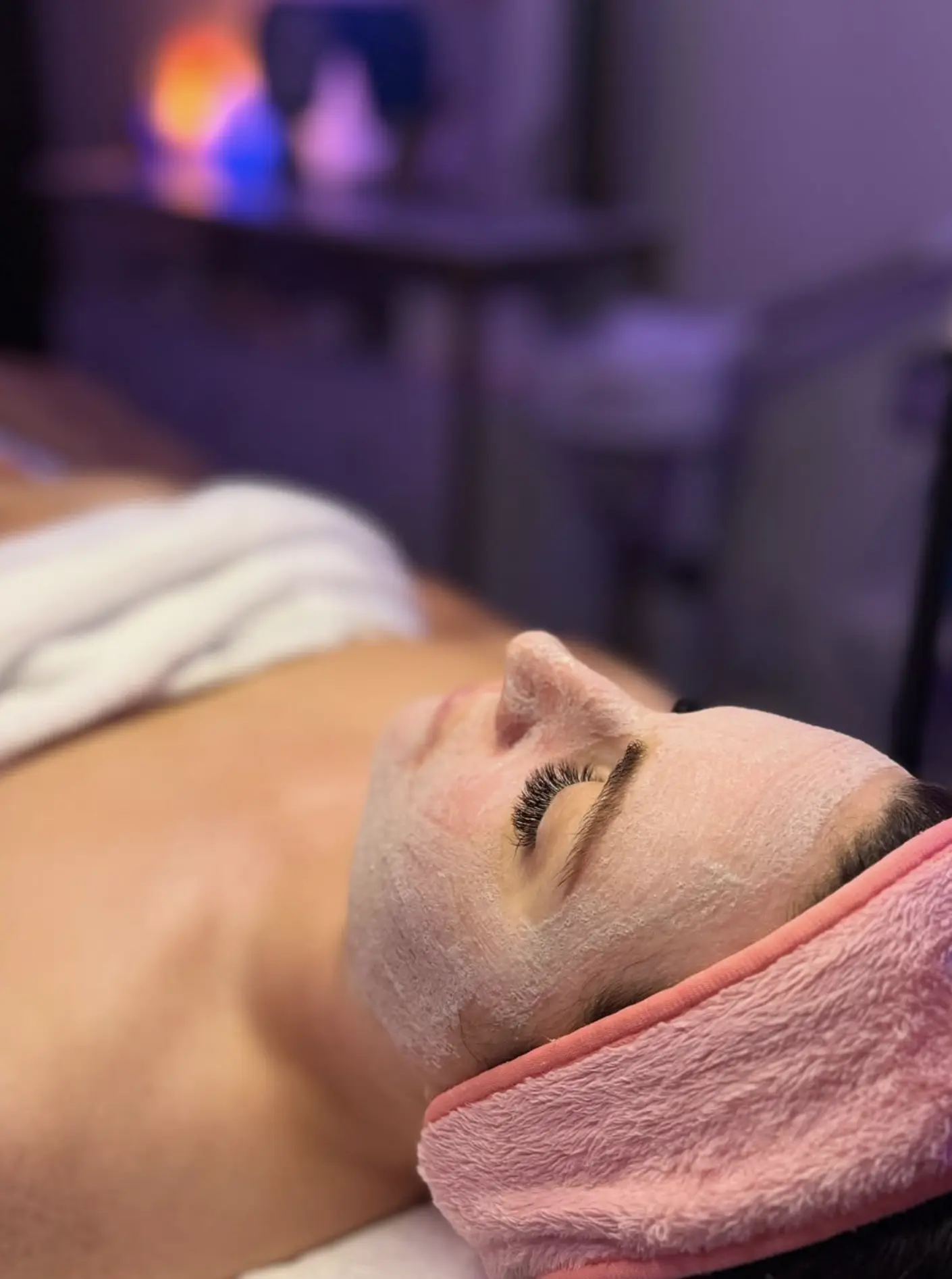
The Top Types of Facials Explained
1. Classic Facial (The All-Rounder)
Best for: Skin maintenance, stress relief, first-timers
A gentle cleanse, steam, exfoliation, light extractions, a mask, and massage. This is the most common type of facial and a great foundation for healthy skin.
Why it works: Promotes blood circulation, removes dead skin, and hydrates the outer layer without overwhelming the skin barrier.
2. Chemical Peel Facial
Best for: Dull skin, acne scars, pigmentation, uneven skin tone
Uses alpha hydroxy acids (like glycolic acid or lactic acid), salicylic acid, or other chemical solutions to slough off dead skin.
Pro warning: These are not DIY. Get a peel from a Skin Specialist or cosmetic dermatologist who can match the acid strength to your skin type and avoid post-inflammatory pigmentation.
3. Dermaplaning Facial
Best for: Dull skin, peach fuzz, smoother makeup application
A sterile scalpel removes dead skin and fine hair. It’s a gentle exfoliation technique that reveals fresher skin immediately.
Studio tip: Avoid if you have active acne or very sensitive skin. This is a physical exfoliant and not for compromised barriers.
4. Microneedling Facial
Best for: Depressed scars, enlarged pores, collagen synthesis
Fine needles create micro-injuries in the skin, triggering your body’s healing response and collagen growth. It helps reduce the appearance of wrinkles and scarring.
Heads-up: There’s downtime. You may look flushed for a few days and need barrier-repair products.
5. HydraFacial
Best for: Combination skin, congested skin, dull skin
A device-based treatment that combines deep cleaning, physical exfoliation, serum infusion and hydration all in one pass.
Why clients love it: No downtime, instant glow, gentle on most skin conditions. But results rely heavily on technician skill and serum quality.
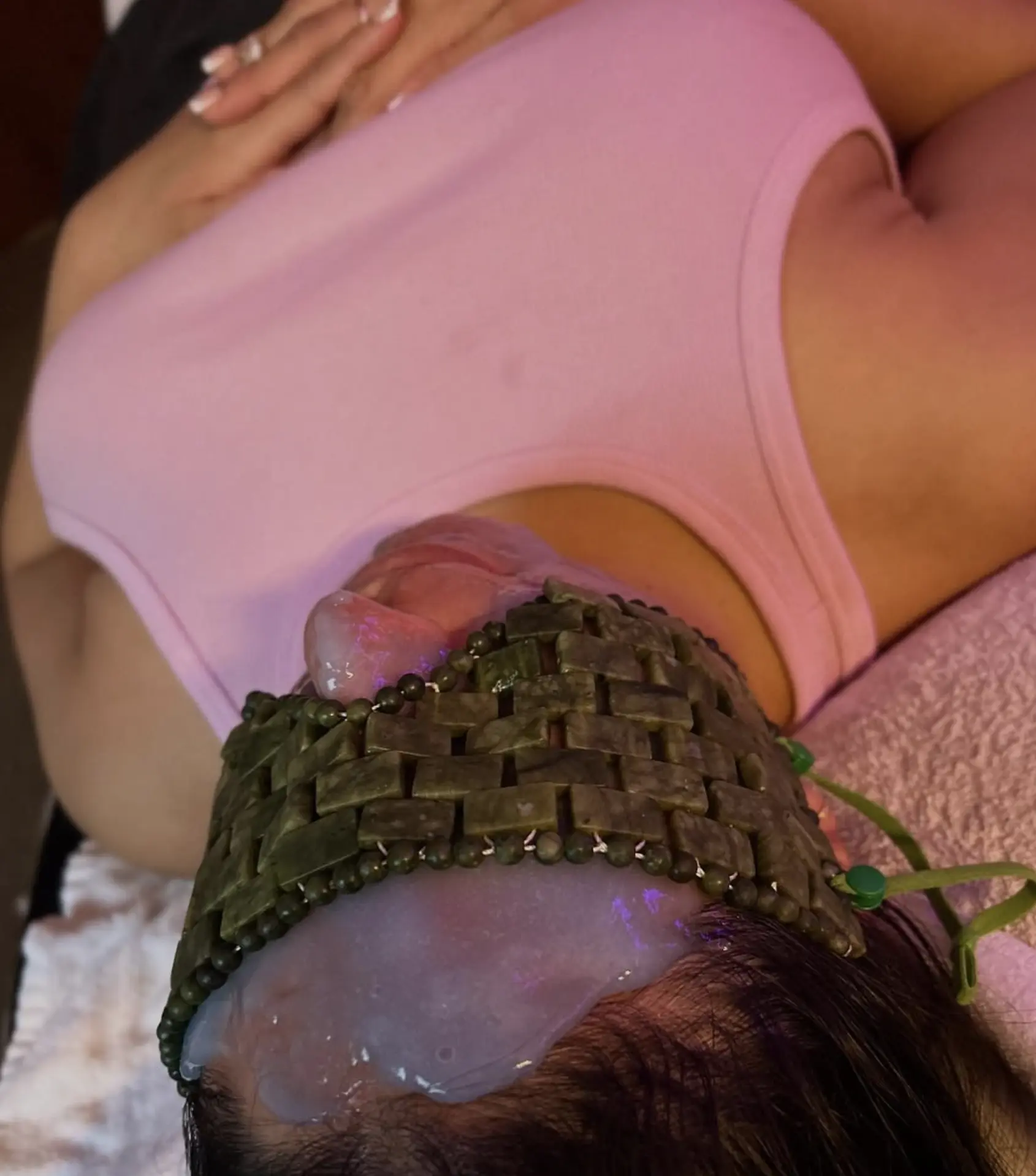
6. Brightening Facial
Best for: Sun-damaged skin, pigmentation, uneven skin
Uses vitamin C, kojic acid, niacinamide, and natural ingredients to fade discolouration and revive lacklustre skin.
Pro note: Avoid layering with strong acids or retinoids at home in the same week.
7. Hydrating Facial
Best for: Dry skin, irritated or sensitive skin, barrier repair
Rich in humectants like hyaluronic acid, this treatment focuses on restoring moisture, elasticity and comfort.
Why it matters: Dehydrated skin can look like dull skin or mimic oily skin. Hydration helps balance the skin’s layers and support a strong barrier.
8. Oxygen Facial
Best for: Pre-event treatment, tired skin, short-term glow
Oxygen and serums are infused into the skin under pressure, promoting circulation and nutrient absorption.
Caution: The glow is temporary. Great as a pre-event booster but not a long-term fix for serious skin concerns.
9. Lymphatic Massage Facial
Best for: Puffiness, sluggish blood circulation, detox
Focuses on draining lymphatic fluid, reducing facial swelling and encouraging blood flow. Especially effective post-flight or after a late night.
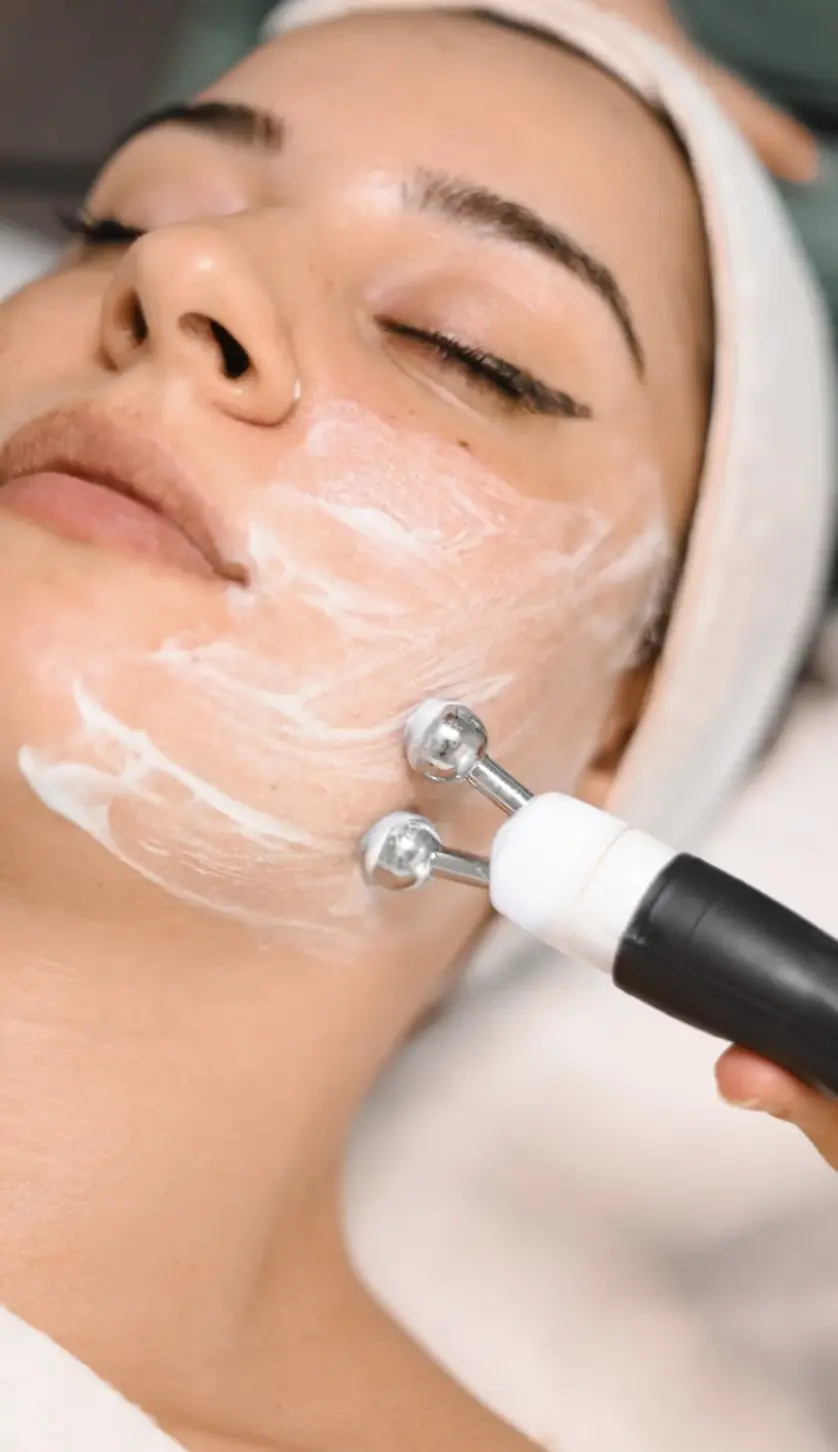
10. Microcurrent Facial
Best for: Mild sagging, dullness, fine lines
Electromagnetic stimulation of facial muscles promotes collagen stimulation and skin tightening — a non-invasive treatment often dubbed the “natural facelift.”
Perfect for: Those avoiding invasive treatment but wanting a visible lift.
11. Light Therapy Facial (LED Therapy)
Best for: Acne, ageing, inflammation
Uses specific wavelengths of light (blue light for acne, red or yellow light for healing and collagen) to treat skin conditions at a cellular level.
Tip: For active acne or redness, light therapy facials offer an excellent alternative to harsh treatments.
12. Anti-Aging Facial
Best for: Fine lines, skin elasticity, collagen loss
Often combines chemical peels, masks, serums with peptides, facial massage, and even facial acupuncture or cosmetic acupuncture to reduce the appearance of wrinkles.
Extra boost: Some treatments may include diamond-tip wand exfoliation for improved texture and skin tone.
If you’re looking for trusted providers of professional facials, Brisbane has some exceptional skin clinics to explore. Many also specialise in Cosmetic Tattooing Brisbane clients can trust for brows, lips, and more.
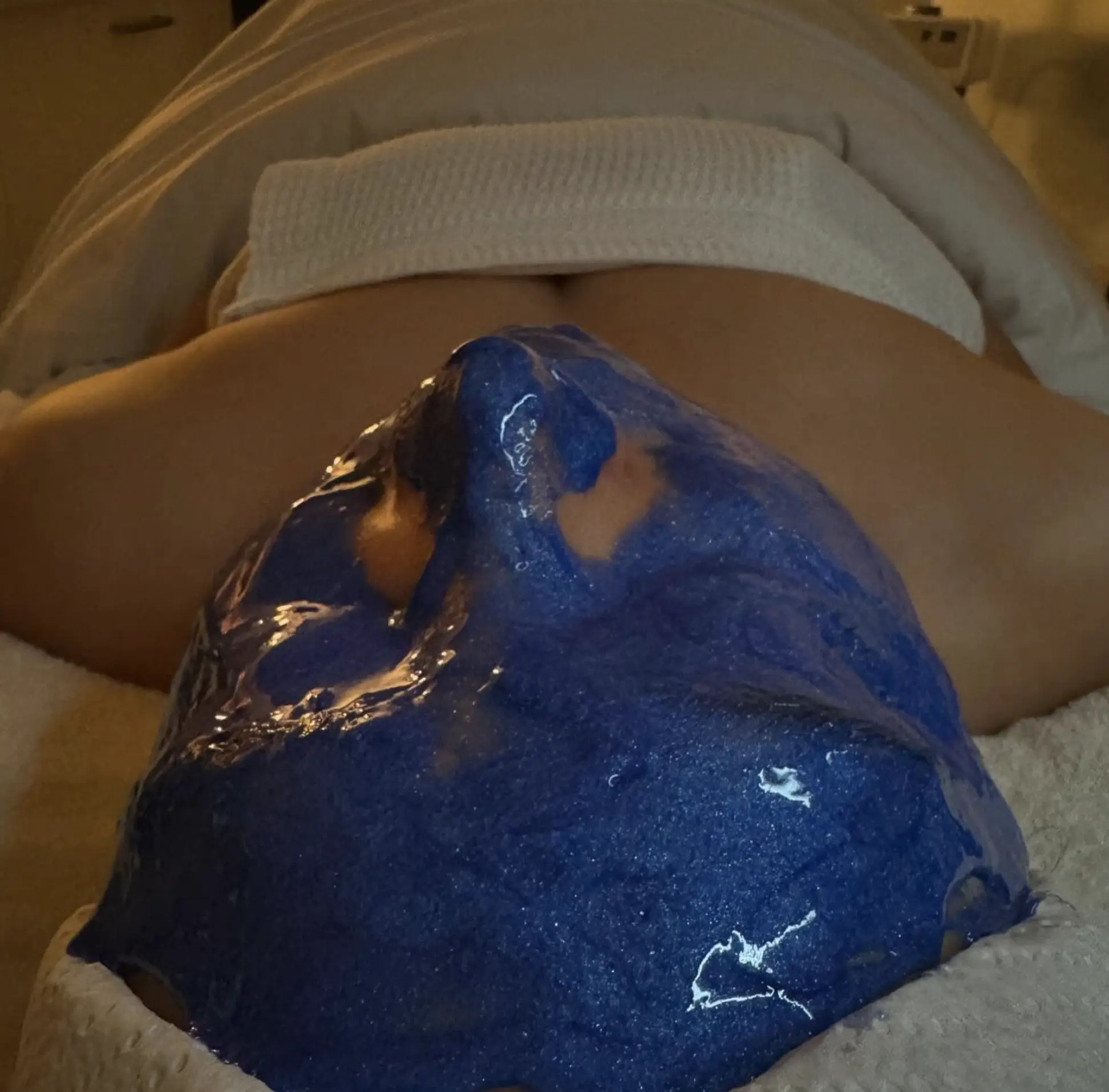
How to Maintain That Glow Post-Facial
To make the most of your facial treatment services:
- Avoid hot showers, sweating, and makeup for at least 24 hours.
- Use a gentle cleanse and barrier-supporting moisturiser for the next few days.
- No exfoliants or active ingredients (like alpha-hydroxy acid or salicylic acid) for 3–5 days unless your Skin Therapist gives the all-clear.
- Hydrate your skin and body. Drink plenty of water and apply a hyaluronic acid serum on damp skin.
- Sunscreen daily — your fresh layer of skin is extra vulnerable.
2026 Update:
By 2026, facial treatments are no longer viewed as cosmetic extras — they’re increasingly recognised as preventative skin health tools. Industry data shows clients are prioritising treatments that support skin function, barrier repair, and long-term resilience, rather than chasing aggressive results or viral facials. A modern facial is now defined less by how “advanced” it sounds and more by how well it aligns with your current skin state, lifestyle, and recovery capacity. This shift is why foundational, restorative treatments such as relax and repair facials at The Facial Hub are gaining traction — they address inflammation, dehydration, and stress-related skin changes without disrupting the skin’s natural renewal cycle.
What’s also changed in 2026 is how facials are selected and sequenced. Instead of jumping straight into high-impact treatments, more clinics are building layered facial plans that rotate exfoliation, hydration, circulation support, and recovery phases. This approach improves collagen synthesis, reduces the risk of sensitisation, and delivers more consistent results across different skin types — from acne-prone and sensitive skin to ageing or environmentally stressed skin. The takeaway is clear: the best facial isn’t the most intense one on the menu — it’s the one that works with your skin’s biology, not against it.
Frequently Asked Questions
How often should I get a facial?
Most skin types benefit from a facial every 4–6 weeks. However, your Skin Therapist may tailor a treatment plan based on your specific skin concerns, like acne, ageing, or sensitivity.
Can I get a facial if I have sensitive or acne-prone skin?
Yes, but it’s crucial to choose the right type. Sensitive skin often responds best to hydrating or light therapy facials, while acne-prone skin can benefit from deep pore cleansing or LED blue light treatments.
What should I avoid before and after a facial?
Avoid active ingredients like retinol, chemical exfoliants, and physical exfoliants for a few days before and after. Post-treatment, skip hot showers, heavy makeup, and sun exposure for at least 24 hours.
Do facials help with signs of ageing?
Absolutely. Anti-aging facials that incorporate microcurrent, chemical peels, and collagen-stimulating serums can reduce the appearance of wrinkles and boost elasticity over time.
What’s the difference between a classic facial and more advanced treatments like HydraFacial?
A classic facial is a foundational treatment focused on gentle cleansing and hydration. Advanced facials, like HydraFacial or microneedling, use specialised equipment and active ingredients to target deeper skin issues like pigmentation, scarring, or collagen loss.