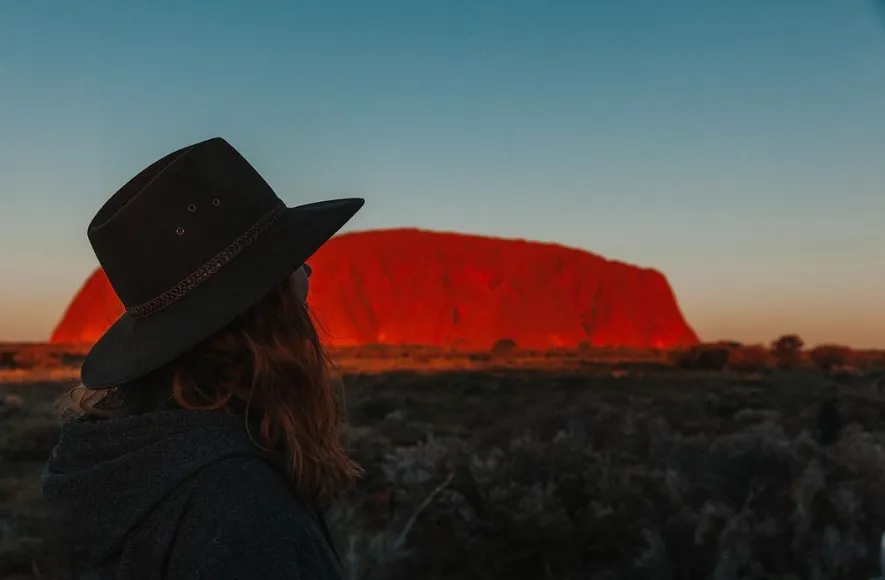

Ayers Rock (Uluru) is one of the most popular attractions in Australia. Located in the middle of the Northern Territory in Uluru-Kata Tjuta National Park. This big sandstone rock is a natural wonder and represents Australian cultural and geological history. People come to see this massive monolith – sometimes called Ayers Rock – for one of the most impressive views in the world and cultural significance.
Natural Beauty
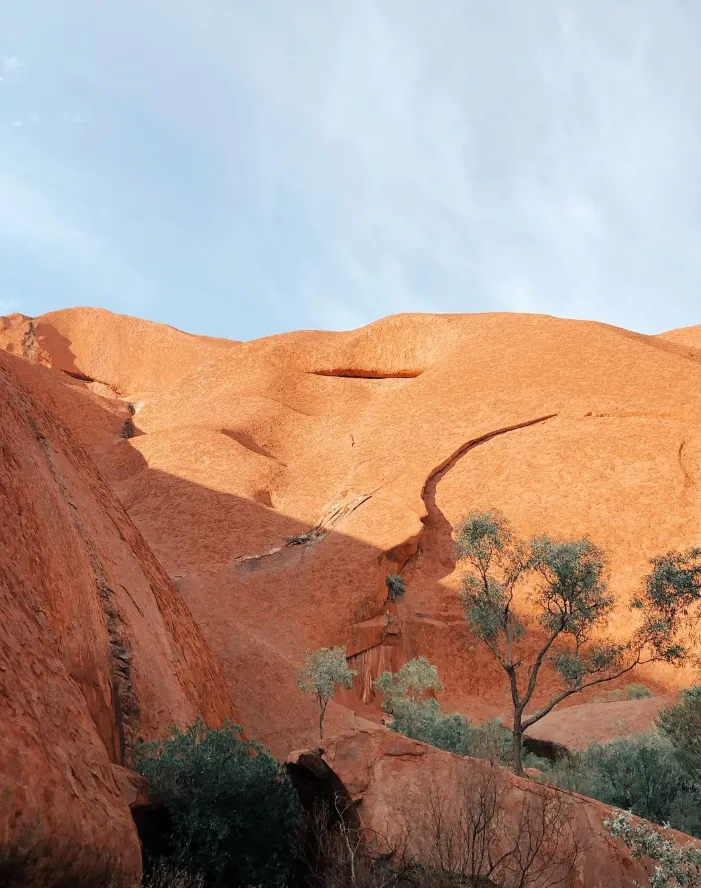
In the Uluṟu-Kata Tjuṯa National Park, a big desert area of great beauty is Uluru. It’s not just Uluru that’s special but also Kata Tjuta, a set of rocks that fit in with the landscape. The whole park is a UNESCO World Heritage site with many natural wonders that showcase the geology and ecology of central Australia. In this desert, visitors enter a world of breathtaking light and colour – Uluru’s sunset is one they will never forget.
What is Ayers Rock?
Ayers Rock (Uluru) stands 348m above ground level, 3.6km long and 1.9km wide at the base. As one of the largest monoliths in the world, it’s just huge. This big rock has different colours because the top layers are conglomerate rock and sandstone. Uluru turns red when it’s exposed to the sun because of the iron in the rock rusts; so at different times and in different weather conditions it can look deep reds through warm oranges to cool purples.
History
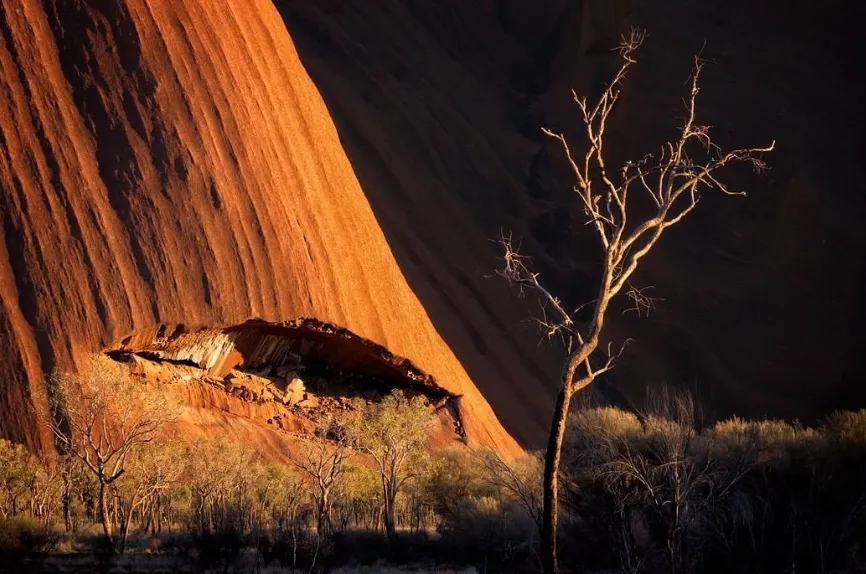
The Anangu people have lived in this area for over 60,000 years and consider their history to be connected to Uluru. These Aboriginal tribes hold the rock in high esteem, and it’s featured in their creation stories and ongoing culture. It’s at the heart of how they live, their dreaming (and to some extent their economic) life. It was first seen by European explorers who named it Ayers Rock after Sir Henry Ayers, the Chief Secretary of South Australia, led by Ernest Giles in 1873. It wasn’t until 1993 that the Australian government changed the name of this national park to Uluru.
Geological Wonders
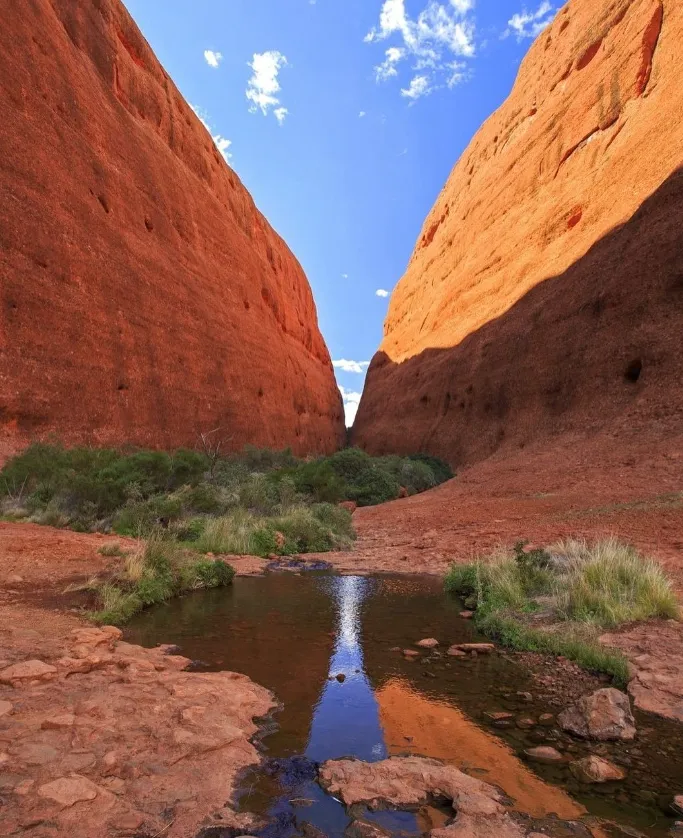
From a geological point of view, Uluru is a window into the past. The rock is 600 million years old and was once an ancient sea. Rocks piled on top of each other, and then erosion happened, and they were exposed. This is why Uluru looks the way it does, the red colour comes from iron oxide making the rock rusty. The sandstone layers show evidence of climate and environmental changes throughout its history. The size and scale of it make Uluru a key to understanding geological formations and the very birth of Australia.
Getting Here
By Air
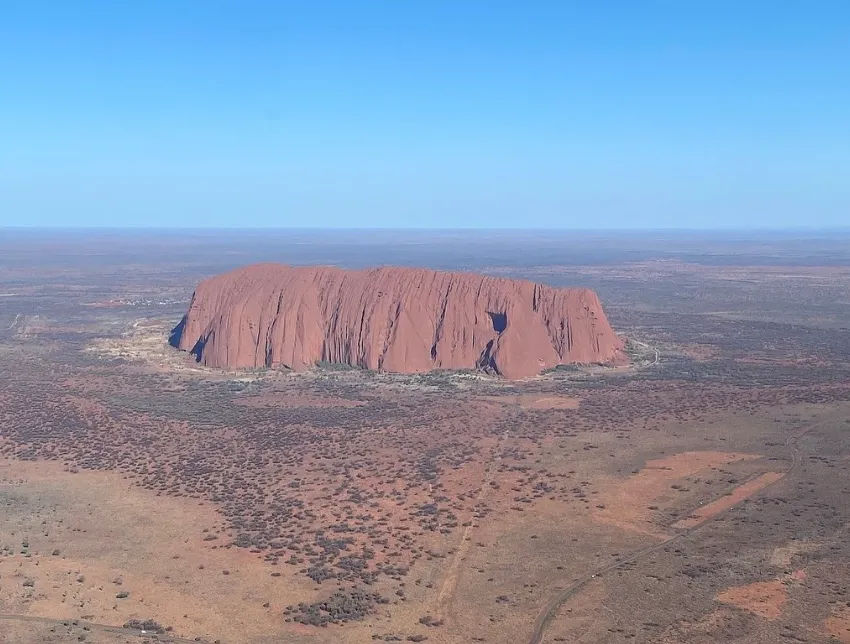
The best way to get to Uluru is by plane, especially from major cities like Alice Springs. There are direct flights from here so you can get to the nearest town and capital of Uluru. There are other airlines that fly into Connellan Airport or Ayers Rock Airport, which is great for international visitors.
By Road
Many people choose to drive from Alice Springs to Uluru. The trip is 450 km long and takes 5 hours. The road follows signs through Central Australia’s desert region, which you can see up close if you’re driving along it. There are also points of interest to visit along the way so you can add more excitement to the whole trip.
By Coach
Bus services also run from Alice Springs and other nearby towns to Uluru. These trips take a bit longer, but you can enjoy your holiday as you have a guide who will tell you about the natural and cultural attractions along the way. If you want to relax and learn more about the area while on the move, this option is a good one.
Distances From Major Cities
- Alice Springs: 450 km (4 hours 30 minutes drive)
- Sydney: 2,500 km (3 hours flight)
- Melbourne: 2,000 km (3 hours flight)
- Brisbane: 2,200 km (3 hours flight)
Visiting Uluru/Ayers Rock
Activities and Attractions at Uluru/Ayers Rock
See Sunrise or Sunset
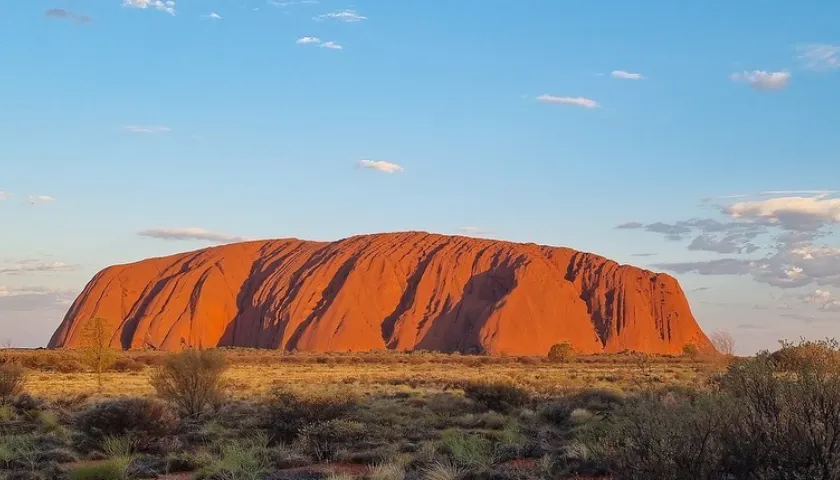
One of the best things to do at Uluruis is to watch the rock change colours at sunrise and sunset. As the sun hits the rock just minutes after dawn or before sunset, it changes colour in a matter of minutes from deep red to bright orange to pale pink. It’s a real showstopper, and most visitors love it when they get the chance to see how beautiful nature can be. Get there early to get a good spot, and bring a blanket or picnic basket to make it extra special. The changing light is great for photography, so don’t forget your camera if you want to capture these colours during these magical times of day.
Dinner under the Stars
To me, eating out under the stars in the Australian desert seems surreal. Some local restaurants offer this type of dining on the plain. Imagine eating unique food with deserts all around you and the stars above. Some dinners include bush tucker so you can learn what you’re eating and where it comes from. Most are intimate evenings with stories and cultural talks from local hosts who will leave you with memories for years to come about this strange mix of food and stargazing in the outback.
Uluru-Kata Tjuta Cultural Centre
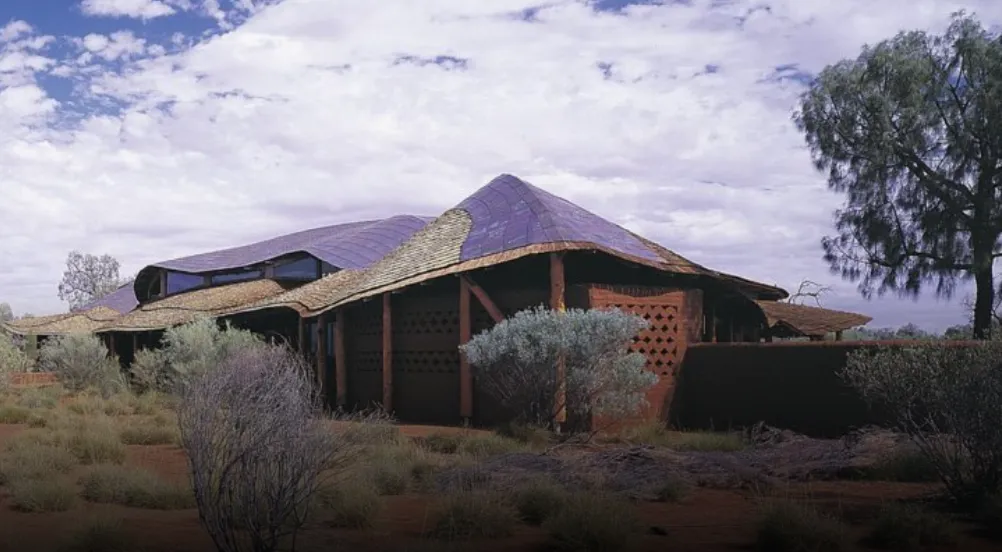
To really understand the history of the indigenous groups, you need to visit the Uluru-Kata Tjuta cultural centre. This place is a treasure trove of information through its interactive storytelling, exhibitions, and displays of the living culture and creation stories of Uluru and Kata Tjuta. Here, you’ll find areas of deep connection between the Anangu people and their land, learn more about their customs and see artefacts and artworks that depict spiritual and cultural practices. There are workshops for learners where you can learn more about Aboriginal culture.
Camel Tour
If you want to see the desert surroundings of Uluru in a different way, go for a camel ride. A camel ride gives you an unusual view of the natural beauty in this area, where you can walk on rough terrain like the traditional way. Travelling on a camel across the desert helps you to see its different aspects while enjoying the peacefulness of the environment. Camel tours usually include commentary about biodiversity in the area regarding plant species, animal species, and geological formations, so you will have more knowledge about these things. This slow-moving way is fun, and you will never forget it; it’s perfect for capturing the desert spirit.
Climb Ayers Rock
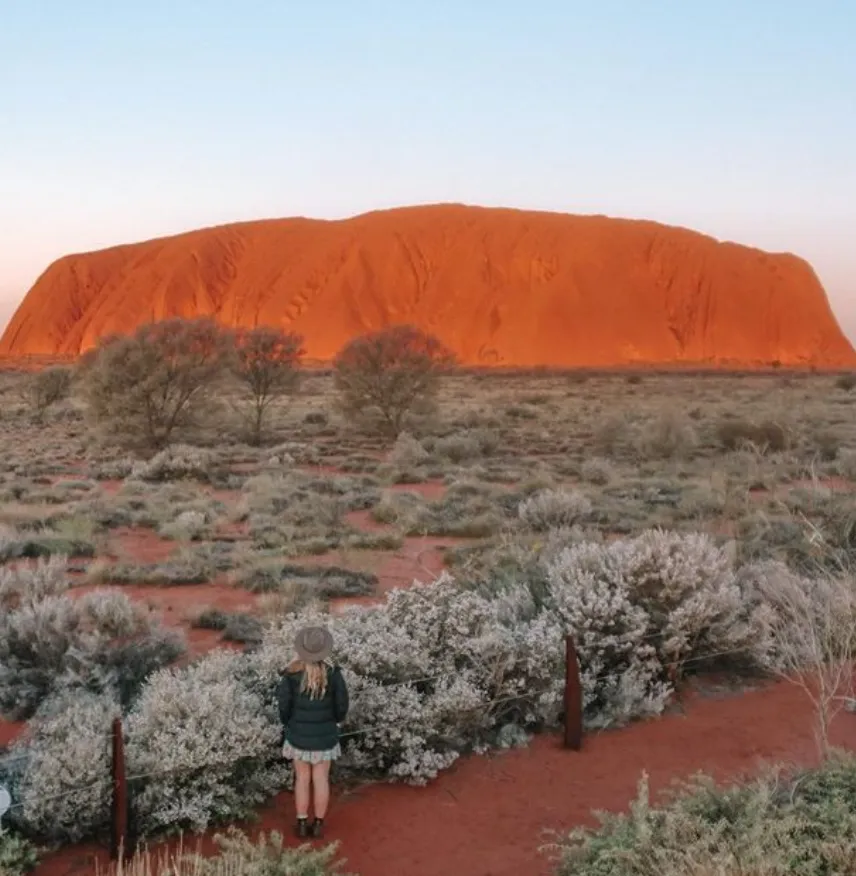
In the late 20th century, tourists started to flock to Ayers Rock, especially those who would climb it. “THE ROCK” as we know it became something that was promoted all over Australia that every tourist had to do before leaving. These climbs offered breathtaking views of outback Australia and its deserts from the top of the steep faces carved on Uluru itself by erosion forces over millions of years.A climb up The Red Center’s famous rock was seen by many visitors as a rite of passage because they felt they were getting closer to nature by conquering Australia’s beautiful landscape.
After these concerns and discussions with Anangu community, the Uluru-Kata Tjuta National Park Board made history by closing the climb to tourists on October 26, 2019. The decision was welcomed by environmentalists, cultural custodians and tourists as a step towards preserving Aboriginal values and the integrity of the site.
Conclusion
Ayers Rock, also known as Uluru, is an Australian icon of natural beauty and cultural heritage. Its unique geological formations, deep meaning in this region’s culture and stunning visual changes make it a must-see. You will experience ancient sandstone strata during your time at Uluru; sometimes, you will also have the best view of the light show here or find out more about Australian aboriginal background at the most popular spot of Australia; all these will give you memories that can only mean beauty and complexity that lies beneath this land.
FAQ
When to go?
The best months to visit are April to October when it’s warm and the weather is good for outdoor activities.
How do I get to Ayers Rock from Alice Springs?
You can drive, take a bus or fly from Alice Springs to Ayers Rock. If you drive it’s 4.5 hours, if you take a bus or fly then there are other options for those who need them.
Are there guided tours in Uluru?
Yes, there are different types of guided Ayers Rock tours, including cultural walkabouts, scenic plane trips, and camel treks where you get to see the fauna-flora reserves that have been maintained by local communities for thousands of years so you can see how they managed their land
Can I climb Ayers Rock?
No it’s no longer allowed or accepted to climb Uluru in any way as a sign of respect and honor to the Aboriginal people. But you can walk around the base and enjoy the walking trails.
What to bring?
When you visit Uluru, you will need to bring sunscreen, hats or caps, water bottles, comfortable walking shoes and clothes for the weather. The desert is harsh, so be prepared so you can have a safe and good time.